

Motorola's MOTOTRBO range runs from a straightforward entry-level portable through to certified hazardous-area radios, an Android-based smart radio, and a broadband push-to-talk platform that doesn't need a licensed frequency at all. Every Motorola radio we supply is ordered in for your job and programmed to your channel plan before it leaves our Mount Maunganui workshop. This guide breaks the range down by what actually matters, so you can find the right model without wading through spec sheets.
01
VHF or UHF?
Set by your existing licence and coverage area, not preference. Radios on different bands can't talk to each other.
02
Entry, or flagship?
The ladder runs R2, R5, then R7, with GPS, Man Down and Wi-Fi/Bluetooth arriving at the R7.
03
Standard, TIA, or Ex?
Only the Ex models carry ATEX/IECEx certification. R7-TIA is certified to a US standard, UL TIA-4950, which is not the same thing.
04
Licensed radio, or broadband PoC?
MOTOTRBO runs on a licensed frequency. WAVE PTX rides 4G or Wi-Fi instead, with no repeater network needed.
Entry & Everyday Portables
Straightforward, dependable digital radios for teams that need clear communication without paying for features they won't use.
VHFUHFVHF or UHFATEX / IECEx
| Model | Rating | Standout | Best For | Price |
|---|---|---|---|---|
| R2 | IP55 | Simple PTT, clear digital audio, up to 26.5hr battery. VHF, or UHF in 400-470MHz and 450-527MHz | Retail, hospitality, education, light industrial | from $861.00 |
| R5 | IP67 | AI-trained noise suppression, up to 32hr battery, no-keypad or keypad with display. VHF 5W or UHF 4W | Manufacturing, logistics, event security | from $1,489.25 |
| SL2600 | Slim, professional | 23mm thin profile, Bluetooth, discreet professional look | Front-of-house retail and hospitality | from $1,144.00 |
Ladder logic: the R2 is the value entry point, simple and reliable without GPS or advanced safety features. The R5 steps up with a tougher IP67 build, AI-trained noise suppression for loud sites, and the option of a display and keypad. In New Zealand the R5 doesn't include GPS, Bluetooth or Wi-Fi, so if you need location tracking or Man Down, start at the R7. The SL2600 trades some ruggedness for a genuinely slim form factor. Pick the lowest tier that covers what you actually need, not the longest spec sheet.
Mid-Tier DP Series Portables
The established DP series, proven hardware for teams extending an existing fleet or wanting mid-tier durability.
| Model | Band | Standout | Best For | Price |
|---|---|---|---|---|
| DP2400 | VHF or UHF | Compact, reliable digital platform | Commercial fleets on a mid-range budget | from $1,376.00 |
| DP3661e | VHF or UHF | Compact, high-performance digital portable | Professionals wanting proven DP-family reliability | from $1,910.00 |
| DP3441e | VHF or UHF | Compact, rugged, proven fleet performer | Manufacturing, construction and transport fleets already on DP | from $1,916.00 |
Why choose DP over R series: mainly fleet consistency. If you're already running DP radios and need a handful more, staying in the DP family keeps your existing batteries, chargers and accessories working across the whole fleet. For a fresh deployment with nothing to match, the R series is generally the better starting point.
Flagship & Smart Radios
The top of Motorola's conventional DMR range, plus an Android smart radio for teams wanting broadband data alongside two-way voice.
| Model | Rating | Standout | Best For | Price |
|---|---|---|---|---|
| R7 | IP68 & IP66 | Adaptive dual-mic noise suppression, GPS, Man Down, Wi-Fi/Bluetooth, up to 28hr battery. UHF or VHF | High-risk, isolated or mission-critical roles, forestry, heavy industry | from $2,018.00 |
| R7-TIA | UL TIA-4950 (US) | R7 platform certified to the US hazardous-location standard, in Enable and Premium tiers: UHF Enable, UHF Premium, VHF Enable, VHF Premium | Sites specified to UL TIA-4950, not ATEX/IECEx | from $2,101.00 |
| Ion | Rugged Android | Full Android smart radio, voice, broadband data and multimedia in one device | Teams wanting apps and data alongside two-way voice | from $3,314.00 |
R7 and R7-TIA are not R7Ex: the standard R7 has no hazardous-area certification. The R7-TIA is certified to UL TIA-4950, a US and Canadian hazardous-location standard, which is not ATEX or IECEx, so don't assume it meets a New Zealand hazardous-area specification. If your site involves flammable gases, dusts or vapours, the R7Ex below is the certified option. For more on the R7 itself, see our Motorola R7 review and the R Series comparison of the R2, R5 and R7 side by side.
ATEX / IECEx Hazardous-Area Radios
For fuel depots, gas processing, mining and any site where a standard radio's spark risk is a genuine hazard.
| Model | Rating | Standout | Best For | Price |
|---|---|---|---|---|
| DP4401Ex | ATEX / IECEx | No-display DP-platform Ex radio, VHF or UHF | Hazardous sites wanting a simpler radio | from $2,993.00 |
| R7Ex | ATEX / IECEx | R7-platform Ex radio, no-keypad or full-keypad | Energy, oil and gas, classified zones | from $3,307.00 |
| DP4801Ex | ATEX / IECEx | Full keypad and colour display, VHF or UHF | Hazardous sites wanting full on-radio menu control | from $3,417.00 |
Confirm your zone classification first: ATEX and IECEx certification is matched to specific gas groups and zones, not a generic "safe for hazardous areas" label. Check your site's classification against the radio's certification before ordering. These are specialist items with a longer lead time than the standard range, so get in touch early if a project needs them.
WAVE PTX Broadband PoC & Infrastructure
For teams spread across a wide area without radio infrastructure, plus the hardware that extends a MOTOTRBO network's coverage.
| Model | Type | Standout | Best For | Price |
|---|---|---|---|---|
| TLK110 | Handheld PoC | WAVE PTX push-to-talk over 4G LTE or Wi-Fi, nationwide range | Teams needing nationwide reach without a licensed frequency | from $918.85 |
| TLK150 | Vehicle PoC | WAVE PTX push-to-talk for vehicles | Fleet vehicles needing nationwide broadband PTT | from $1,033.00 |
| SLR 1000 | Compact repeater | Coverage extension for challenging locations, VHF or UHF | Closing a coverage gap on an existing MOTOTRBO network | from $5,945.50 |
No spectrum licence for WAVE PTX: the TLK110 and TLK150 run over the cellular network, so unlike every MOTOTRBO radio in this guide, there's no licensed frequency to arrange. Coverage depends on cellular signal rather than a repeater network, worth factoring in for genuinely remote sites.
Vehicle-mounted radios: we don't hold a Motorola mobile radio as standard catalogue stock, but as an authorised Motorola dealer we can source one, such as the DM4000e series, to order. If you need a fixed-mount DMR radio quickly, the Tait TM9355 is a proven, in-catalogue alternative covering the same ground. See our Tait radios guide for the full fixed-mount range.
Why Order Motorola Through MSL
Every Motorola radio we supply is ordered in and configured for your job, not pulled off a shelf with a generic setup. If you're adding to an existing system, we match the new units to your current channel plan so everything works together from day one.
We install directly across the Bay of Plenty, Coromandel, Rotorua, Taupō and Waikato. Outside that area, we coordinate with trusted installers nationwide, or supply a fully configured radio if you'd rather arrange your own fit-out.
We're brand-independent. We stock and support Motorola alongside Tait, Hytera, GME and more, so our recommendation is built around what suits your operation, not what's easiest to sell.
Frequently Asked Questions
Do Motorola MOTOTRBO radios need a licence in New Zealand?
Yes. MOTOTRBO radios run on licensed VHF or UHF frequencies, not the general user licence that covers UHF CB. We can arrange channel licensing as part of the job. The WAVE PTX TLK110 and TLK150 are the exception: they run over the cellular network and don't need a licensed frequency.
Can Motorola radios talk to other brands?
Motorola radios can talk to other brands when both follow the open DMR standard and are programmed to matching frequencies and settings. Compatibility across Motorola's own R series, DP series and older generations depends on the specific models and firmware, so it's worth confirming before mixing generations in one fleet.
What's the real difference between the R2, R5 and R7?
The difference comes down to ruggedness, audio and safety features. The R2 (IP55) is the entry point with no GPS or advanced safety features. The R5 (IP67) adds a tougher build, AI-trained noise suppression and up to 32 hours of battery, with an optional display and keypad, but no GPS, Bluetooth or Wi-Fi in New Zealand. The R7 (IP68/IP66) adds GPS, Man Down, Lone Worker and Wi-Fi/Bluetooth for remote fleet management.
Is the R7 or R7-TIA intrinsically safe for hazardous sites?
The standard R7 has no hazardous-area certification. The R7-TIA is certified to UL TIA-4950, a US and Canadian standard, not ATEX or IECEx. If your site requires ATEX/IECEx-certified equipment, ask for the R7Ex, DP4401Ex or DP4801Ex, and confirm your zone classification against the radio's certification before ordering.
How long does it take to get a Motorola radio from MSL?
Lead times are generally consistent across our core Motorola range, since every radio is ordered in and programmed for your job. ATEX/IECEx radios take longer to source, so get in touch early if your project needs them.
Do you install Motorola radios outside the Bay of Plenty?
Yes. We install directly within the Bay of Plenty, Coromandel, Rotorua, Taupō and Waikato. Elsewhere in New Zealand, we coordinate with trusted installers in your region, or supply a configured radio for your own installer to fit.
Not sure which one fits?
Tell us the job, the site and your existing fleet, and we'll match the Motorola model to it.
Shop Motorola Two-Way Radios
View all 27 products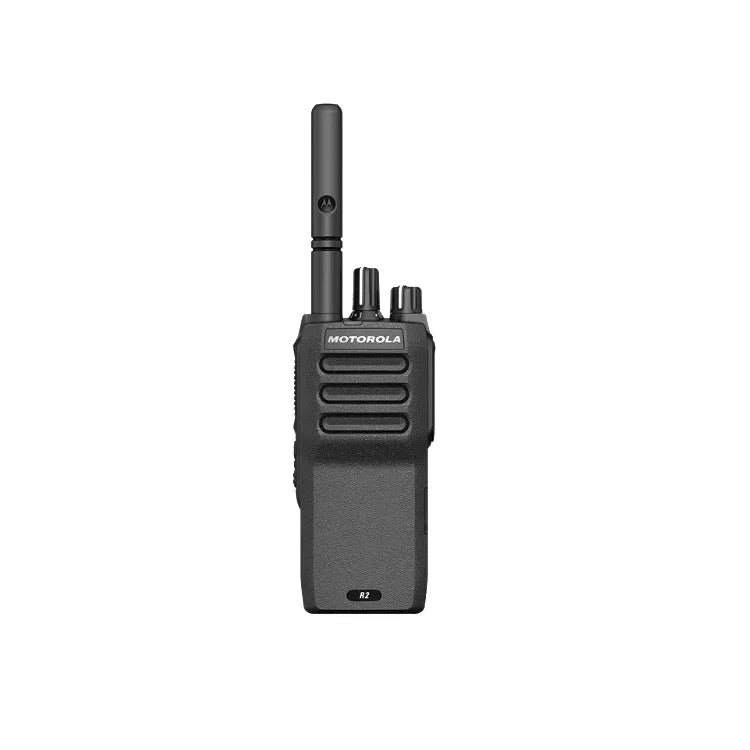
Motorola MOTOTRBO R2 Portable 400-470 MHz UHF Two-Way Radio
$990.15 NZD
($861.00 exc GST)
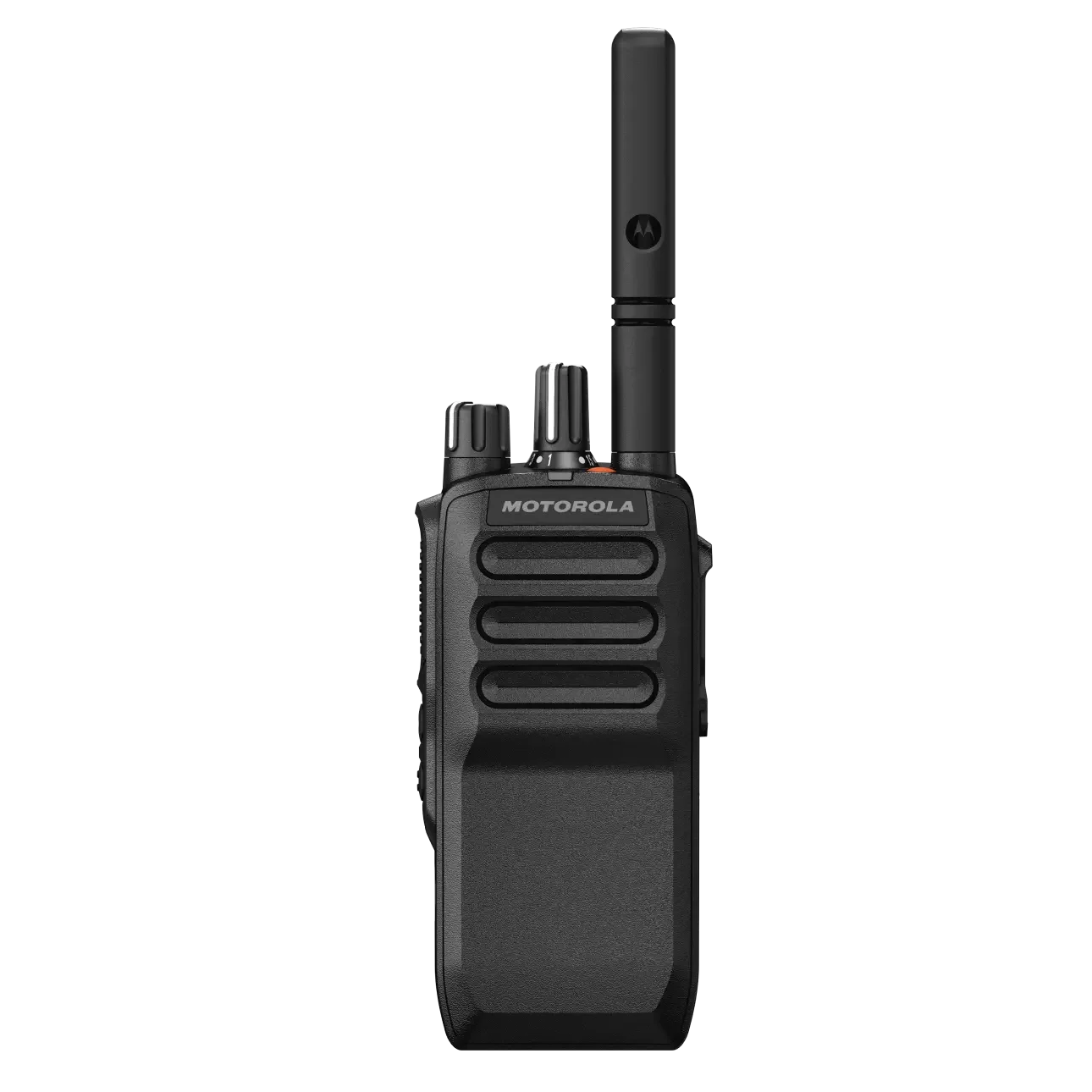
Motorola R5 VHF 136-174MHz Digital Portable Radio, No Keypad
$1,489.25 NZD
($1,295.00 exc GST)
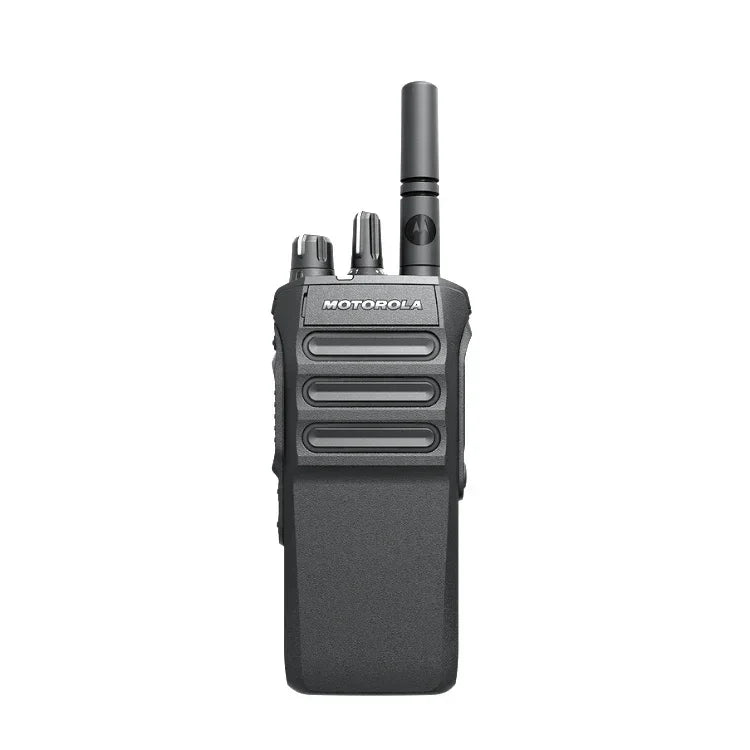
Motorola R7-Portable Digital UHF 400-527 MHz Radio-Enable
$2,018.00 NZD
($1,754.78 exc GST)
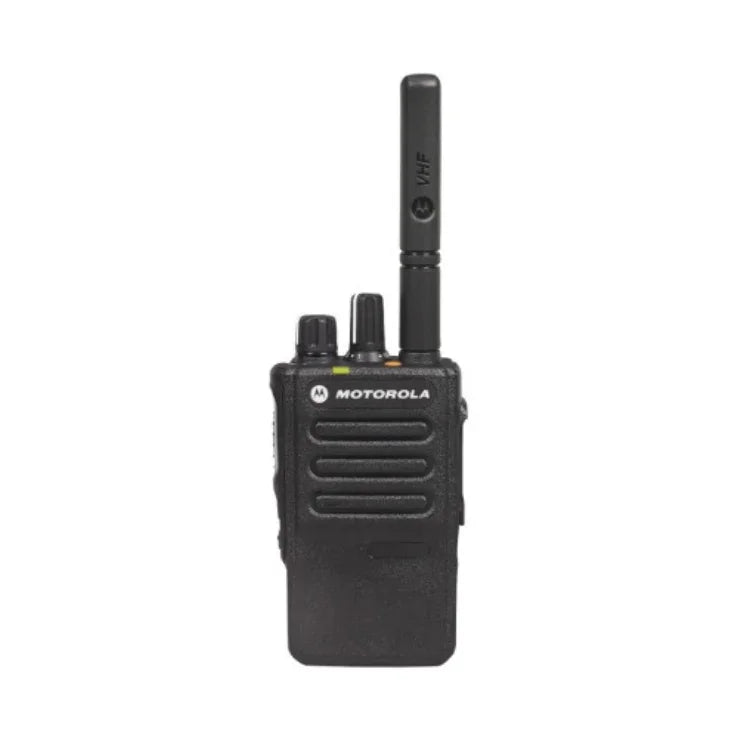
Motorola DP3441e Portable Two-Way Radio
$1,916.00 NZD
($1,666.09 exc GST)
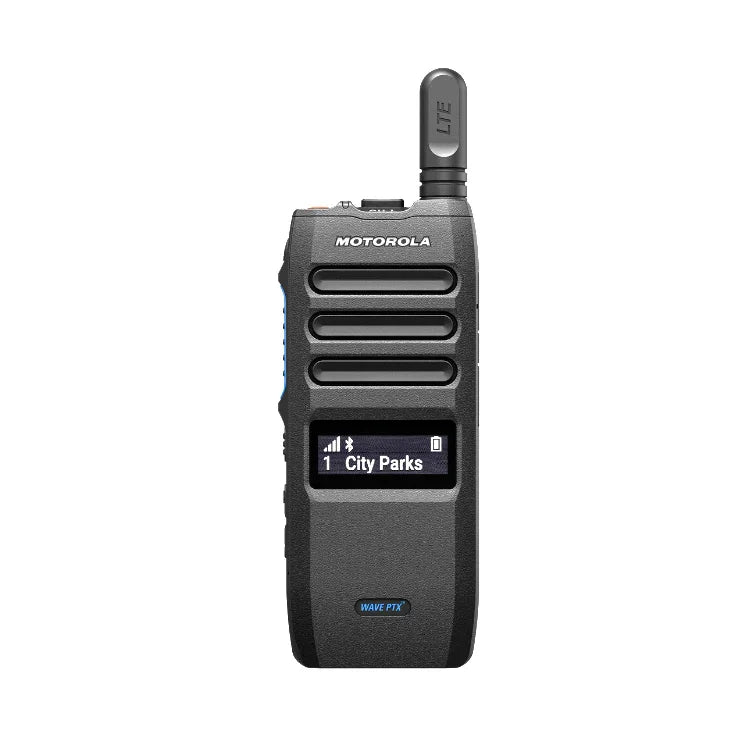
Motorola TLK110 WAVE PTX PoC Radio, Nationwide Range
$918.85 NZD
($799.00 exc GST)


Motorola MOTOTRBO SL2600 Portable Two-Way Radio
$1,144.00 NZD
($994.78 exc GST)
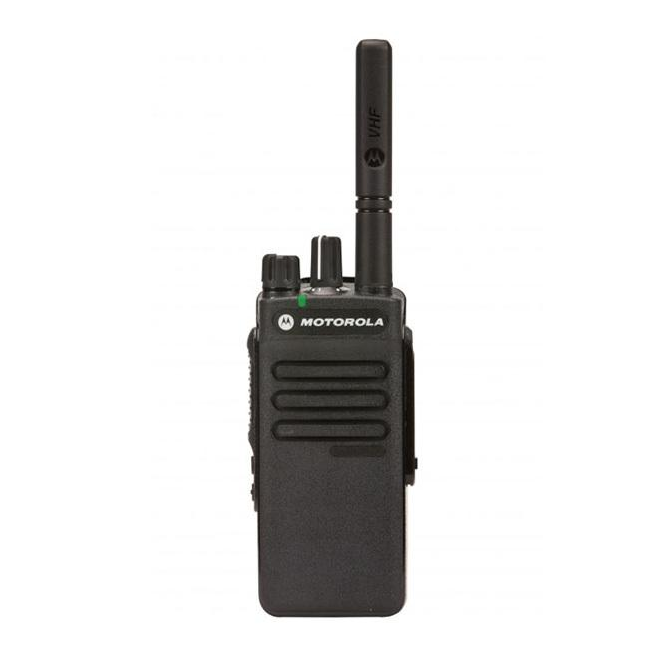
Motorola DP2400 Portable Digital Radio
$1,376.00 NZD
($1,196.52 exc GST)
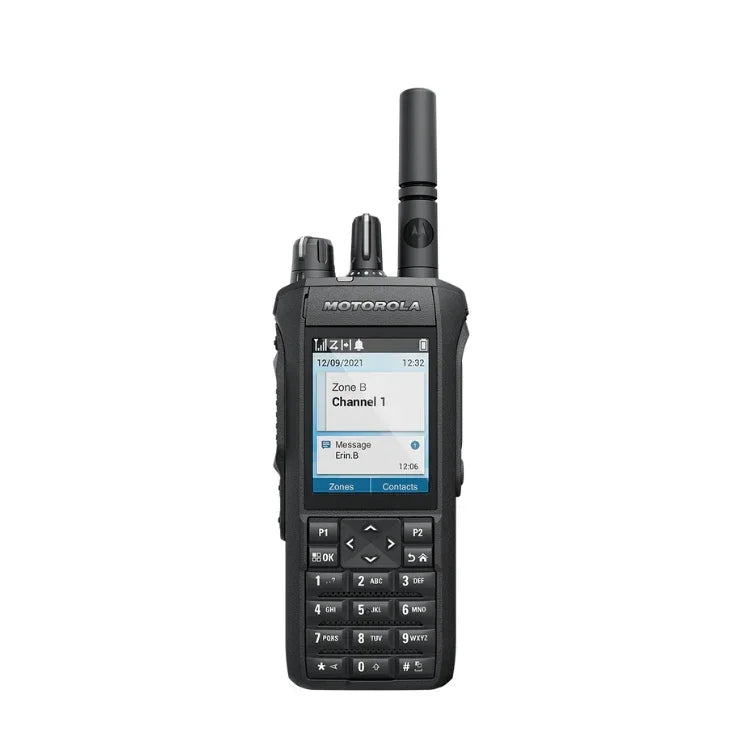
Motorola R7-TIA-Portable Digital UHF 400-527 MHz Radio-Premium
$2,479.00 NZD
($2,155.65 exc GST)